-
E-mail
shanghaiyayeshiye@163.com
-
Phone
17701851994
-
Address
No.1 Xinpan Road, Xinqiao Town, Songjiang District, Shanghai
Product Categories
Shanghai Yaye Industrial Co., Ltd
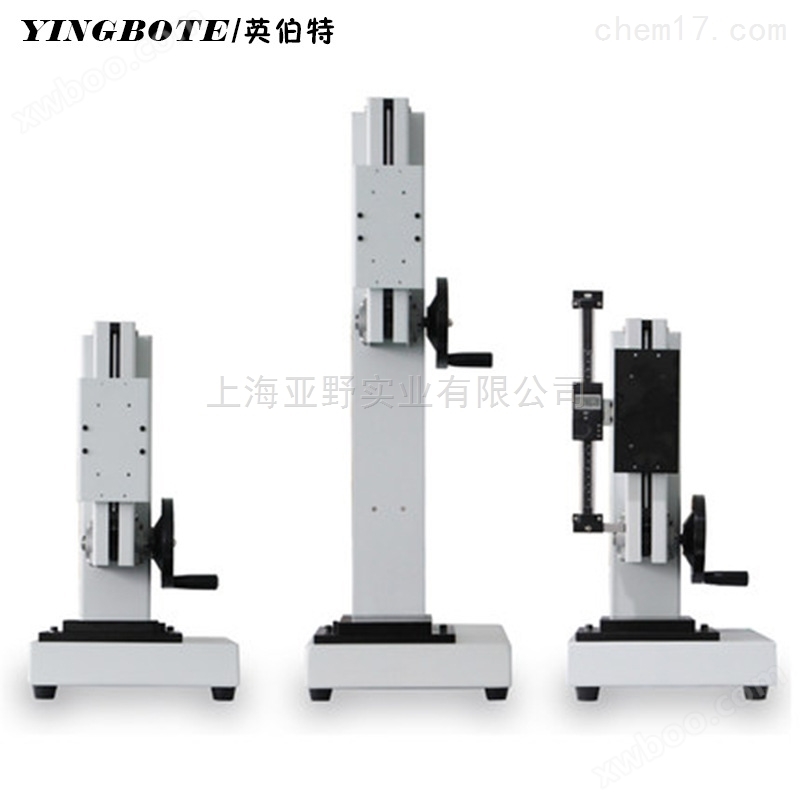
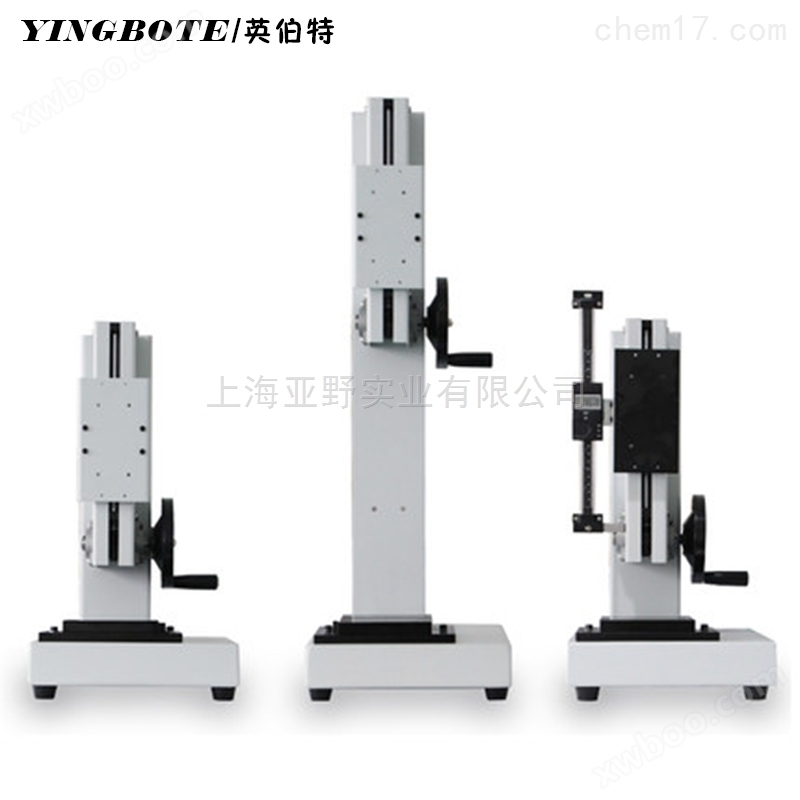
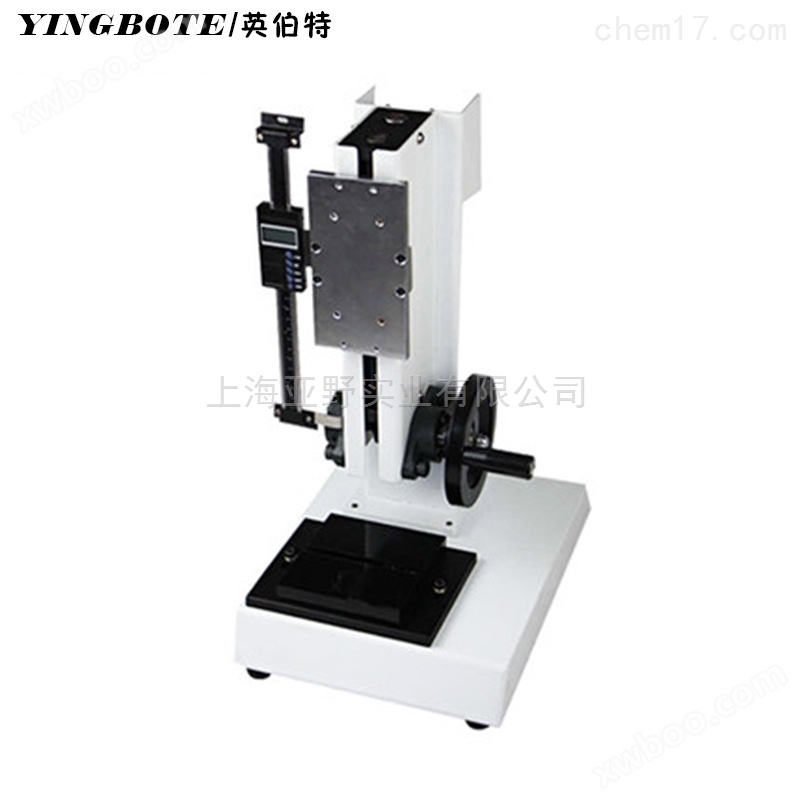

Side shaking tensile and compressive testing bench 500N tensile and compressive testing instrument direct seller
NegotiableUpdate on 01/21
- Model
- Nature of the Manufacturer
- Producers
- Product Category
- Place of Origin
Overview
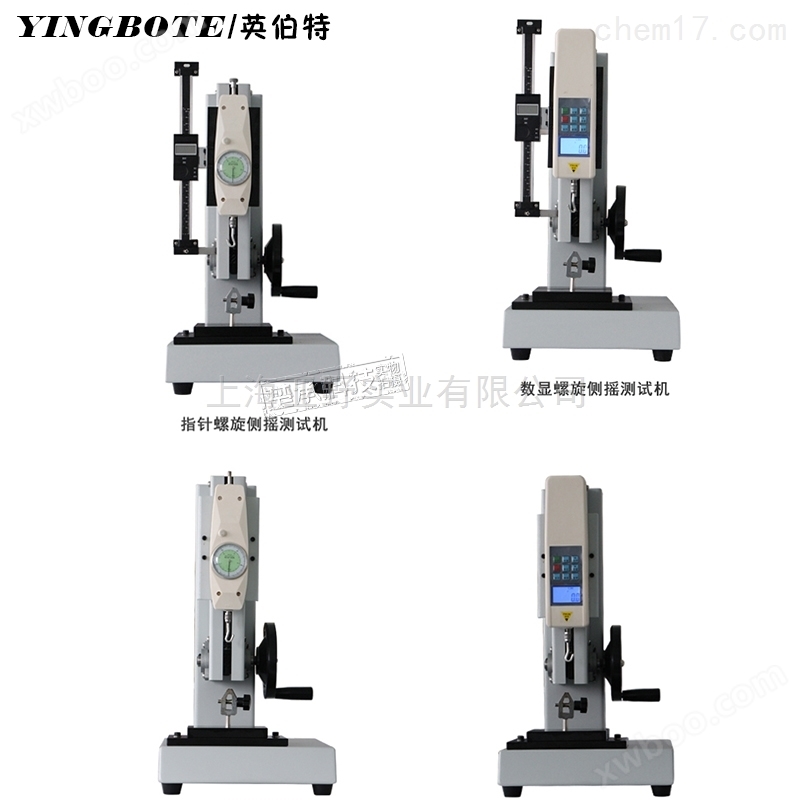
The side shaking tensile and compressive testing bench is specially equipped for SH series and NK series push-pull force meters, and can be combined into testing machines for different purposes, suitable for various insertion and extraction forces, pressing forces, destructive tests, and other tests. At the same time as displaying the force value, a digital ruler can also be installed to display its displacement and conduct comparative tests on different workpieces under the same displacement. Side shaking tensile and compressive testing bench 500N tensile and compressive testing instrument direct seller
Product Details
Side shaking tensile and compressive testing bench 500N tensile and compressive testing instrument direct seller——Product Introduction
Instructions:Side shaking tensile and compressive testing benchspecially designed forSHSeries andNKEquipped with a series of push-pull force gauges, it can be combined into testing machines for different purposes, suitable for testing various insertion and extraction forces, pressing forces, and destructive tests. At the same time as displaying the force value, a digital ruler can also be installed to display its displacement and conduct comparative tests on different workpieces under the same displacement.
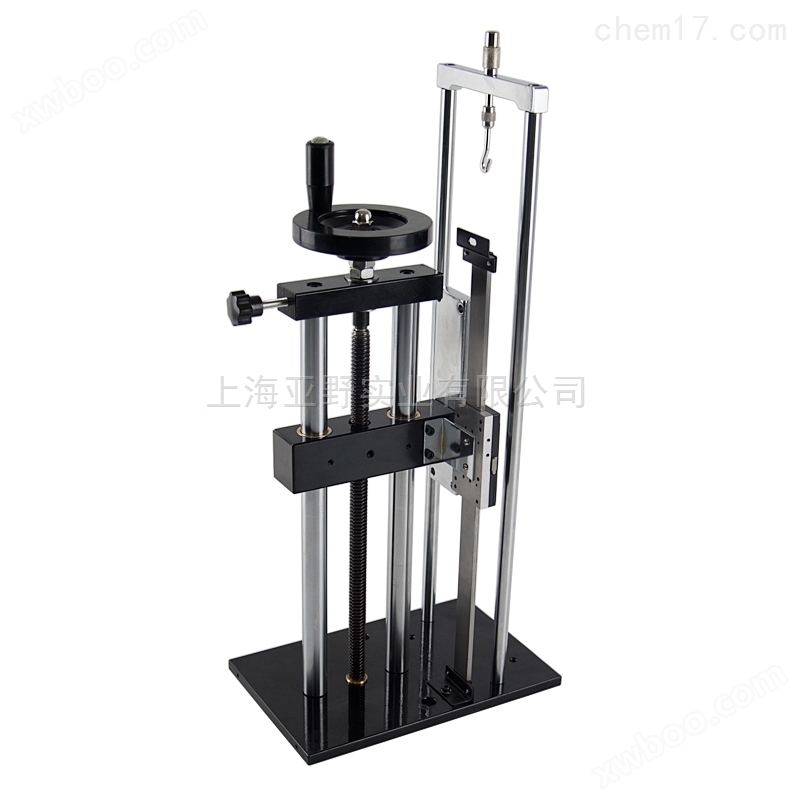
500N side shaking spiral test bench picture:

Specification parameters of the side shaking spiral test bench:
Length x Width x Height:350mm×260mm×500mm
trip:180mm
Rated load:500N
Weight:18kg


Shake sidewaysSpiral testing platformInstallation method of push-pull force gauge:
1. Machine installation method:
This machine can be installed on a table to make it more stable. Please ensure that the workbench is level during installation to obtain accurate values for testing. Please refer to the diagram on the right for installation.
2. Installation method of push-pull force gauge:
(1) Use an M4 wrench to loosen the 4 M 4 × 15 hexagonal socket head screws on the load cell mounting plate, and remove the load cell mounting plate;
(2) Install the HF series (digital push-pull force gauge) push-pull force meter. Use an M4 hex wrench to thread the 4 M4 × 10 hex screws in the accessory bag through the 90 × 40 holes on the dynamometer mounting plate and into the 4 M4 threaded holes on the dynamometer mounting plate. Install the dynamometer onto the dynamometer mounting plate; Alternatively, use a Phillips screwdriver to thread the four M3 × 10 Phillips pan head screws in the accessory bag through the load cell and install the load cell onto the load cell mounting plate. Insert four M3 threaded holes into the 145 × 30 holes on the mounting plate of the load cell;
(3) Install the NK series (pointer push-pull force gauge) push-pull force meter. Use a Phillips screwdriver to remove the 4 M × 10 screws on the back cover of the push-pull force gauge. Thread the 4 M3 × 14 Phillips screws in the accessory bag through the 145 × 30 mounting holes on the dynamometer mounting plate and screw them into the 4 M3 threaded holes on the back cover of the dynamometer (remove the threaded holes of the M3 × 10 screws);
(4) After installing the push-pull force gauge, use an M4 hex wrench to reinstall the force gauge mounting plate onto the frame.
According to the characteristics of the sample to be tested, install or place the machine in a suitable position on the workbench. By rotating the handwheel on the side of the test stand, the dynamometer can move smoothly up and down to complete the testing work.
Shake sidewaysSpiral test bench picture:

Side shaking tensile and compressive testing bench 500N tensile and compressive testing instrument direct seller
Yaye after-sales commitment:
In order to create, improve the degree of the enterprise, and establish the corporate image, our company adheres to the spirit of "pursuing high quality and customer satisfaction in everything", and solemnly promises to you with the principle of "* favorable price, the most thoughtful service, and the most reliable product quality":
1Service tenet: fast, decisive, accurate, thoughtful*
2Service objective: Service quality wins customer satisfaction
3Service efficiency: If there is a malfunction of the equipment during or outside the warranty period, the supplier will notify the maintenance personnel to24Respond and solve problems within hours.
4、 Service principle: The product warranty period is twelve months. During the warranty period, the supplier will provide free repair and replacement of parts damaged due to quality reasons. For parts damaged outside the warranty period, only the cost fee will be charged for the provided parts. For equipment damage caused by human factors of the purchaser, the supplier's repair or provided parts will be calculated at cost price.
Similar Product Recommend