-
E-mail
1033359150@qq.com
-
Phone
13355269160
-
Address
Building E, Zibo Municipal Road High tech Entrepreneurship Park, Shandong Province
Product Categories
- measuring instrument
- Flash evaporator sampler
- Rod thin layer chromatography
- Rod thin layer chromatography using column chromatography
- capillary column
- chromatograph
- Lubricating oil analyzer
- Asphalt four component analyzer
- Domestic stick thin layer chromatography instrument
- Rod thin layer analyzer
- Thin layer chromatography
Zibo Shanfen Analytical Instrument Co., Ltd
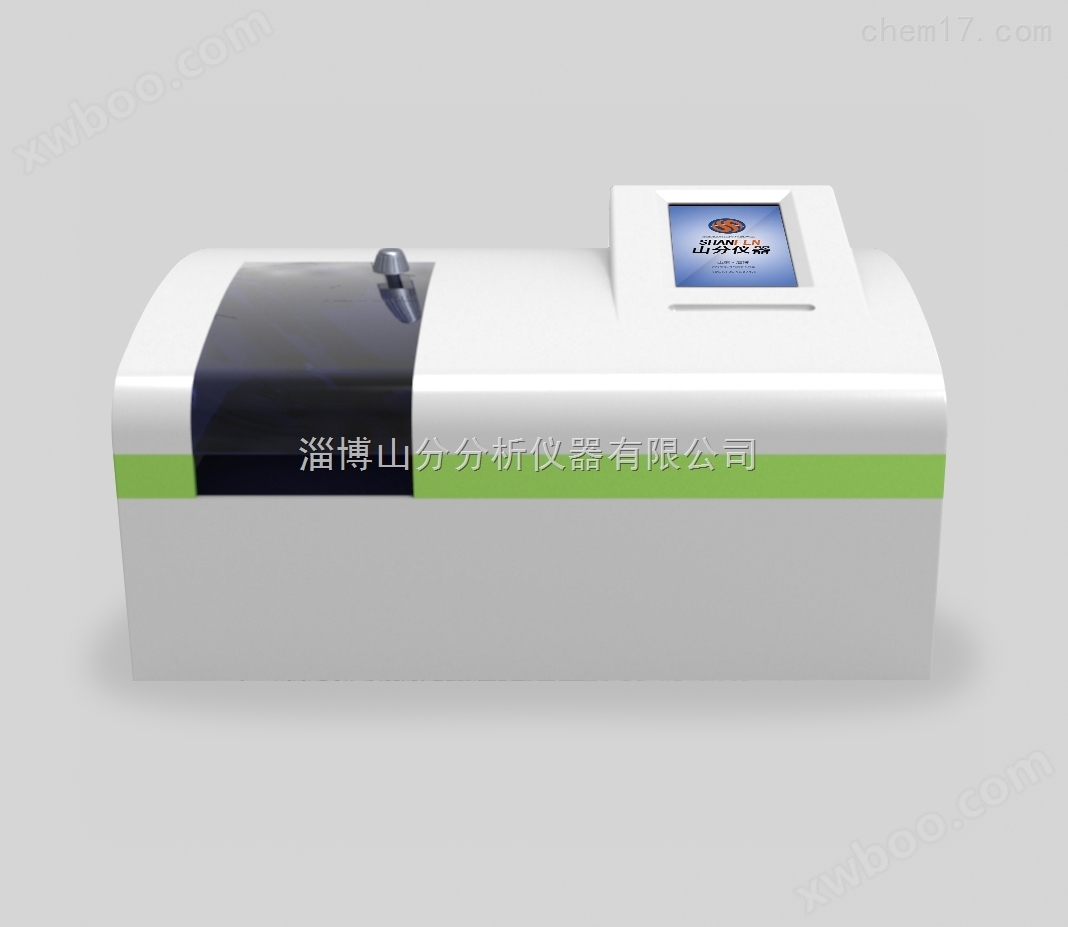
SF-16A Asphalt Four Component Analyzer
NegotiableUpdate on 01/22
- Model
- Nature of the Manufacturer
- Producers
- Product Category
- Place of Origin
Overview
The SF-16A asphalt four component analyzer can detect all organic compounds, especially those that are difficult to separate by gas chromatography or analyze by liquid chromatography, as well as large molecular compounds in drugs, and track the process of organic synthesis reactions.
Product Details
SF-16A Asphalt Four Component AnalyzerWe have adopted full electronic flow control technology and high-precision CNC machining technology, and used a large screen full Chinese touch screen to ensure the accuracy and operability of experimental analysis data. The fully enclosed process eliminates the need for operators to come into contact with toxic and harmful solvents, greatly protecting the health and safety of laboratory personnel. The usage cost is only 1% of the traditional EC method, greatly reducing the usage cost.
Can quickly analyze saturated hydrocarbons, aromatic hydrocarbons, colloids, and asphaltenes in samples. The analysis cycle is fast and only takes 2 hours, saving 96% of the analysis time compared to the traditional EC dissolution method (EC method takes 48 hours to analyze a sample).
SF-16A Asphalt Four Component AnalyzerFeatures:
Simplicity: This instrument has the characteristics of easy operation, fast analysis speed, short analysis cycle, and accurate analysis data.
Environmental friendliness: Due to the use of toluene as a solvent and its low dosage, it greatly reduces the harm to human health, which is beneficial for environmental protection and the health of operators.
Economy: The chromatography rod can be reused, usually around 50 times, and only requires a small amount of solvent during the development process, making the cost very low.
Universality: It can directly detect a large number of organic compounds, including high boiling point samples that are difficult to use for gas chromatography analysis. Widely used in medicine, health, and environment.
It is composed of rod-shaped thin-layer separation technology and hydrogen flame ionization detection (TLC/FID) method.
Mix crude oil, heavy oil, residual oil, wax oil, slurry oil, lubricating oil
Samples such as chromatographic fixatives and oils are diluted with diluents and spotted onto thin layer rods coated with silica gel and alumina adsorption. After evaporating the solvent, they are placed in a chromatographic development tank and subjected to development, separation, and separation at a certain temperature and humidity. The thin layer rod samples are then entered into a detector and scanned for detection at a certain speed; The ion flow signal is collected and processed by a computer; Thus obtaining the analysis results.
SF-16A Asphalt Four Component AnalyzerTechnical Indicators:
FID stabilization time:<5 minutes, detection limit<1 × 10⁻⁹g/s;
Voltage conversion: DC250V;
Scanning speed: 50-500mm/min (optional);
Sample size: 1ug~20ug;
Signal output: 0~2000mv;
Spectrum and data processing: online collection, real-time storage, and direct spectrum processing and report output;
Ignition device: fully automatic ignition;
Voltage: 220 V/AC
Frequency: 50/60Hz ± 5%;
Power: 120 W;
Gas and auxiliary gas: high-purity hydrogen, pure air (supplied by a random hydrogen air generator);
Flow requirements: hydrogen 0-220ml/min, air 0-1800ml/min; This range can be set arbitrarily
Precautions for use:
1. The equipment should not be operated and used in magnetic or electric fields. Shielding measures must be taken to prevent damage to the instrument or equipment or a decrease in measurement accuracy.
2. Mechanical instruments and equipment must be operated with no load before use to ensure that they can be loaded and used. Lubricate before use and wipe clean after use.
3. Instruments and equipment are not allowed to be dismantled or disassembled for use at will. If there is a need to develop new functions or upgrade, they must be managed according to hierarchical authority, and approval procedures must be completed before implementation.