-
E-mail
1528643955@qq.com
-
Phone
18754726867
-
Address
Jiaopu Industrial Park, Liangshan County, Jining City, Shandong Province
Product Categories
Huayi Second hand Oil Chemical Equipment Purchase and Sales Department
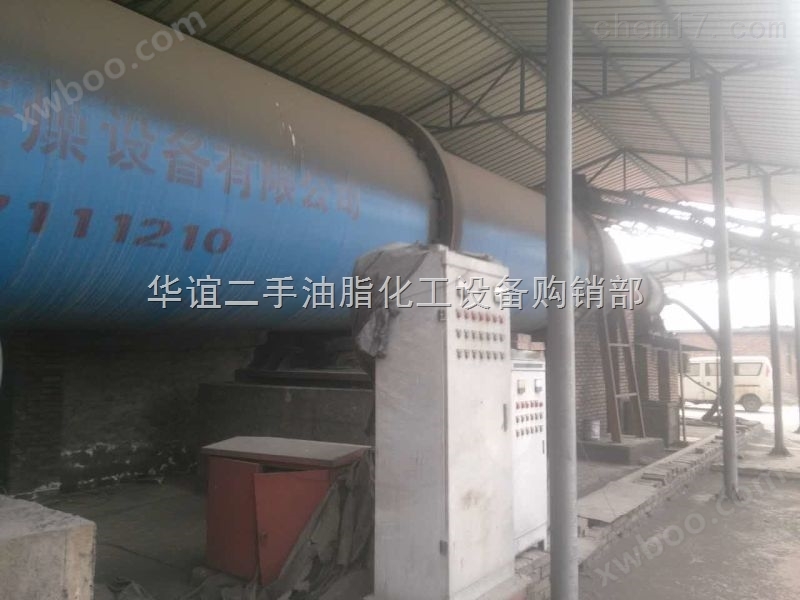
New type of second-hand compound fertilizer dryer
NegotiableUpdate on 01/22
- Model
- Nature of the Manufacturer
- Producers
- Product Category
- Place of Origin
Overview
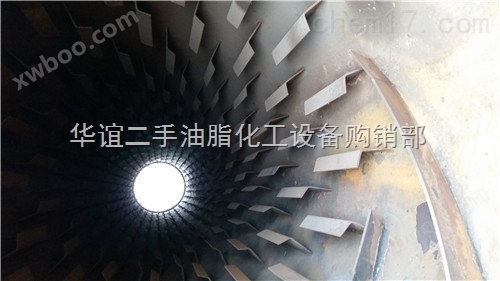
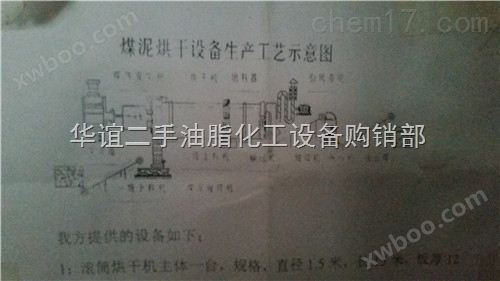
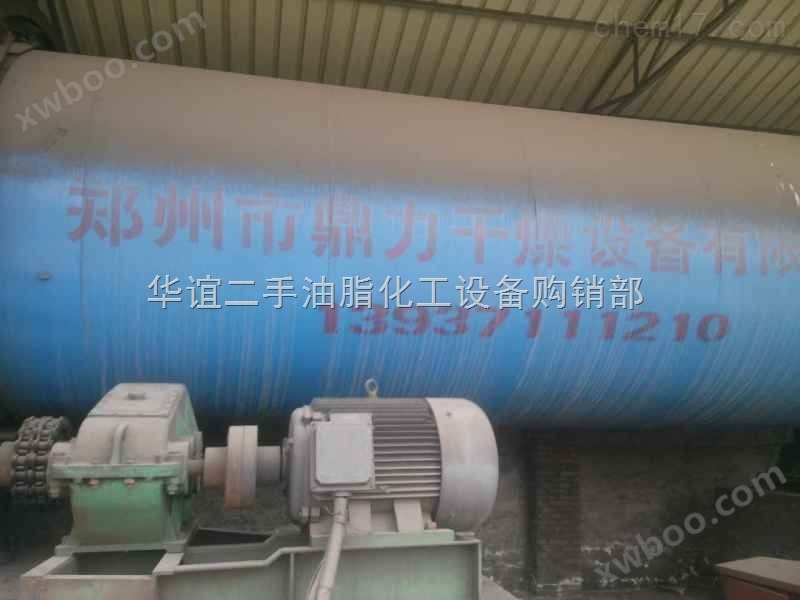
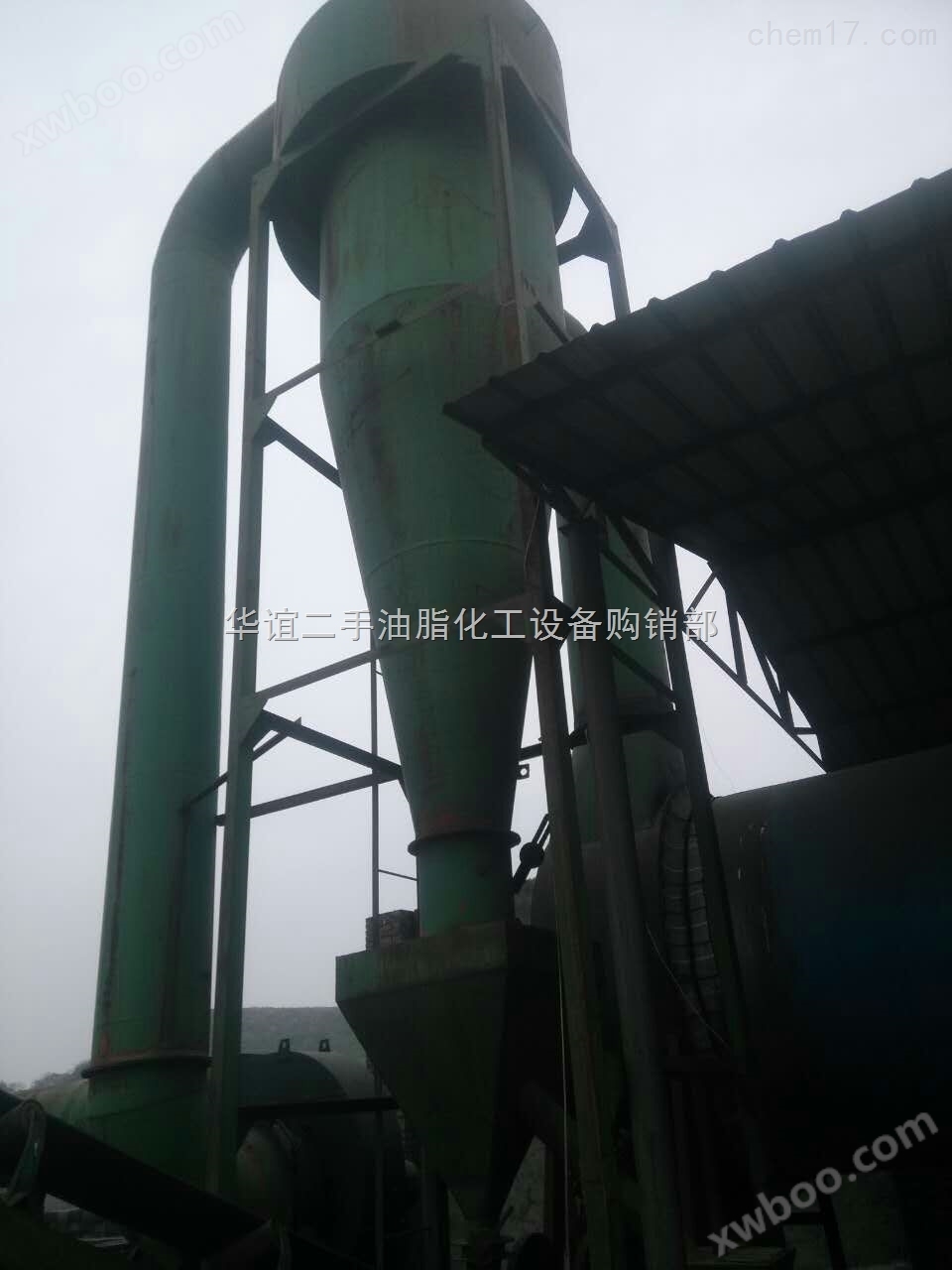
The new type of second-hand compound fertilizer dryer has been dismantled, and the second-hand drum dryer equipment and compound fertilizer dryer equipment are 90% new in color. They are used for feeding and unloading various compound fertilizer dryers and equipment. Compound fertilizer equipment is a type of equipment that uses ammonia and ammonia spray granulation methods to produce fertilizers.
Product Details
New type of second-hand compound fertilizer dryer
Compound fertilizer equipment: rotary drum steam granulation process for producing high concentration compound fertilizer, disc non steam granulation process for producing high, medium, and low concentration compound fertilizer, anti caking technology for compound fertilizer, high nitrogen compound fertilizer production technology, urea melt spraying granulation process for producing organic-inorganic compound fertilizer, etc.
Now there are ammonium and ammonium spray granulation methods in the compound fertilizer equipment market, which are suitable for the domestic market and are more suitable for large, medium, and small enterprises in China.
10 sets of compound fertilizer dryer equipment, please contact Liangshan Huayi Second hand Chemical Equipment Purchase and Sales Department in a timely manner if needed.
Fermentation process flow
The production process of organic fertilizer mainly involves mixing organic solid waste with a moisture content of less than 60%, auxiliary materials (such as plant straw), microbial fermentation agents, etc. evenly, and using aerobic continuous fermentation in a pool to fully mature, sterilize, deodorize, and remove water. The moisture content of the decomposed material is generally within the range of 30-35%. After screening and magnetic separation, it can be directly used for granulation to produce spherical organic fertilizers, or further dried to produce powdered organic fertilizers.
New type of second-hand compound fertilizer dryer
Granulation process flow
The process flow of compound fertilizer can be divided into: raw material batching, raw material mixing, raw material granulation, particle drying, particle cooling, particle grading, finished product coating, and final product packaging.
1. Raw material ingredients:
Raw materials such as urea, ammonium nitrate, ammonium chloride, ammonium sulfate, ammonium phosphate (monoammonium phosphate, diammonium phosphate, dicalcium sulfate, and potassium chloride) are prepared in a certain proportion (based on market demand and soil testing results in various regions).
2. Raw material mixing:
Mix the prepared raw materials evenly to increase the overall uniform fertilizer efficiency content of the fertilizer particles.
3. Raw material granulation:
Send the evenly mixed raw materials into the granulator for granulation (either through conversion granulation or extrusion granulation).
4. Particle drying:
Send the granules made by the granulator into the dryer to dry the moisture contained in the granules, increase their strength, and facilitate storage.
5. Particle cooling:
The temperature of the dried fertilizer particles is too high, making them prone to clumping. After cooling, they are easy to store in bags and transport.
6. Particle grading:
Classify the cooled particles, grind and re pelletize the unqualified particles, and sieve out the qualified products.
7. Finished film:
Coat qualified products with coating to increase the brightness and roundness of particles.
8. Finished product packaging:
Pack the coated particles, i.e. finished products, in bags and store them in a well ventilated area.
1. The applicability and wide range of raw materials: suitable for direct granulation of coarse fiber organic waste with a moisture content of about 30%, such as fermented animal manure, sugar mill filter sludge, urban sludge, paper mill sludge, distiller's grains, straw, peat, etc. It can produce pure organic fertilizer, organic-inorganic fertilizer, and bio organic fertilizer with spherical particles.
2. High ball formation rate and survival rate of biological bacteria: The new process can achieve a ball formation rate of over 90-95%, and the new low-temperature and high air flow drying technology can achieve a survival rate of over 90% for microbial bacteria.
3. The process flow is short and the operating cost is low. The organic raw materials used in this process do not require pre-treatment such as drying and crushing. The process flow is short and the operating cost is low (if traditional granulation processes such as discs or drums are used, it is necessary to control the moisture content after fermentation)Organic raw materials with a content of about 30% should be dried to below 13% and crushed to above 80 mesh, and the amount of organic material added should not exceed 30%.
Similar Product Recommend