-
E-mail
spkyyl@shimadzu.com.cn
- Phone
-
Address
14F, China Life Tower, No.16 Chaowai Street, Chaoyang District, Beijing
Shimadzu Enterprise Management (China) Co., Ltd
Shimadzu collaborates with Beyond the Future to discuss detection technology with young scientists in Beijing
Date: 2022-06-19Read: 0
On February 2, 2018, the Shimadzu 2018 Beijing Young Scientists Testing Technology Seminar and Shimadzu User Appreciation Meeting were held at the Asia Hotel in Beijing. In order to provide a platform for communication and exchange among scientific workers using Shimadzu instruments in the Beijing area, as well as to deeply explore mass spectrometry detection technology, drug metabolism analysis, food nutrition and safety detection analysis, Shimadzu Corporation and Beijing Chaoyue Future Technology Development Co., Ltd. jointly held this seminar.
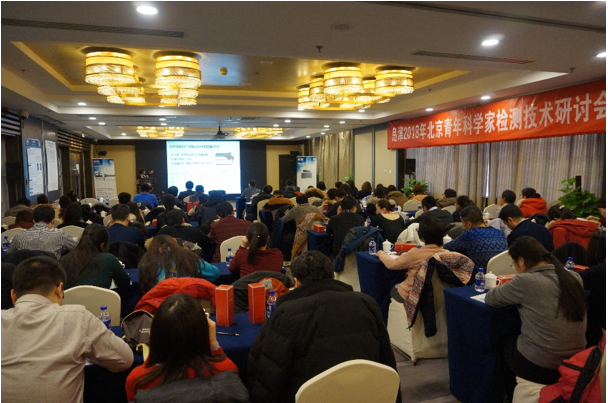
Fax at the conference venue
This seminar is chaired by Li Bin from the Analytical Instruments Division of Shimadzu Corporation.Minister Hu Jiaxiang of Shimadzu Corporation delivered a speech at the seminar. In his speech, he mentioned that Shimadzu Corporation, as one of the world's largest suppliers of analytical instruments, has always adhered to the entrepreneurial purpose of "making contributions to society with science and technology" since its establishment in 1875. In order to achieve the business philosophy of "for the health of humanity and the earth", Shimadzu Corporation has been continuously striving and innovating. In the past year, Shimadzu Corporation has continued to strengthen technological innovation and has achieved fruitful results, launching a series of industry wide analytical testing technologies and products, including the Ak class GC-MS/MS Award GCMS-TQ8080 for anti pollution, the ICPMS-2030 Award for intelligent energy-saving ICPMS *, and the SPM-8100FM Award for truly commercial frequency modulation mode atomic force microscopy. A series of products. At the 11th China Scientific Instrument Development Annual Conference in 2017, Shimadzu Corporation was undoubtedly awarded the title of "Foreign Manufacturer" for its innovative capabilities and excellent service standards. In the future, Shimadzu Corporation will continue to make its due contributions to the development of scientific instruments. Afterwards, he wished the seminar a complete success.
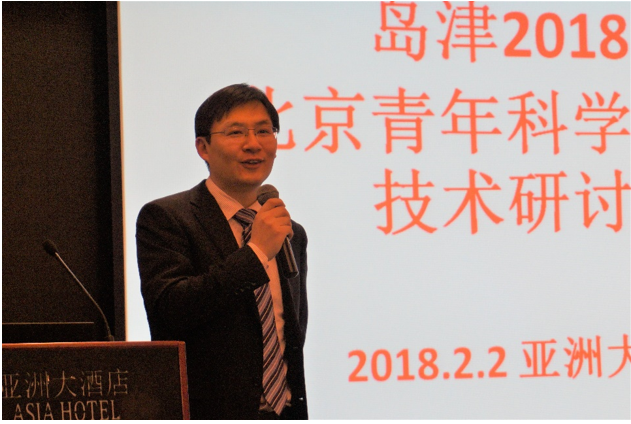
SHIMADZU CorporationLi Bin from the Analytical Instruments Division presided over this seminar
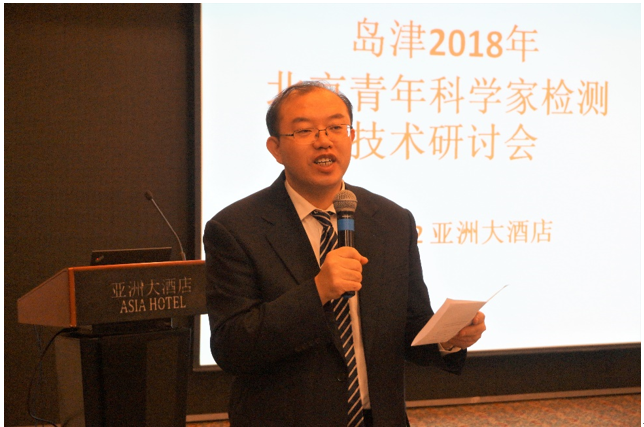
Minister Hu Jiaxiang of Shimadzu Corporation delivered a speech at this seminar
Next, the meeting proceeded to an exciting presentation session. Dr. Jiang Zejun from the Institute of Quality Standards, Chinese Academy of Agricultural Sciences, presented a report titled "Analysis of Non Ionic Surfactant Pesticide Additives Residues in Agricultural Products Based on Supercritical Fluid Chromatography Tandem Mass Spectrometry". In his report, he mentioned the establishment of separation and detection methods for adjuvants, identifying their residual distribution in agricultural products after pesticide application, which has important theoretical and practical significance for achieving safe and rational use of pesticide adjuvants and ensuring consumer safety. He also detailed the development process of SFC and its applications in detecting plasma, vegetable oil, and soil in the report.
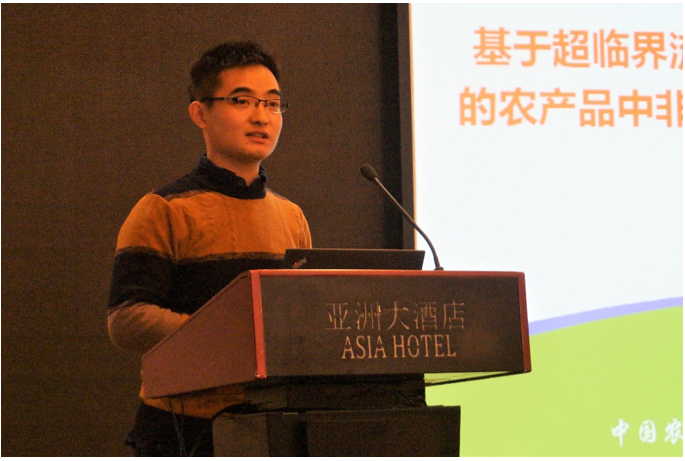
Dr. Jiang Zejun from the Institute of Quality Standards, Chinese Academy of Agricultural Sciences, presented a report titled "Analysis of Non Ionic Surfactant Pesticide Additive Residues in Agricultural Products Based on Supercritical Fluid Chromatography Tandem Mass Spectrometry"
Subsequently, Dr. Fan Sai from the Institute of Nutrition and Food Hygiene of the Beijing Center for Disease Control and Prevention presented a report titled "LC-GC/MS Online Liquid Chromatography Gas Chromatography Mass Spectrometry Analysis of Chlorfenapyr Enantiomer Monomer Residues in Dietary Samples". In the report, he provided a profound introduction to the research background of Chlorfenapyr Enantiomer Monomer Residue Analysis in Dietary Samples, the establishment of Chlorfenapyr Detection Technology, its application in dietary exposure assessment and chiral monomer residue characteristics, as well as the transformation characteristics and innovative points of Chlorfenapyr in dietary processing.
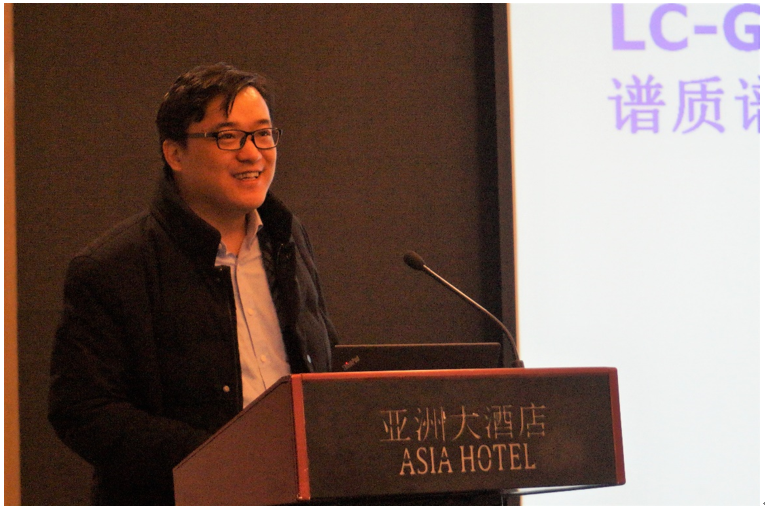
Dr. Fan Sai from the Institute of Nutrition and Food Hygiene of the Beijing Center for Disease Control and Prevention presented a report titled "LC-GC/MS Online Liquid Chromatography Gas Chromatography Mass Spectrometry Analysis of Chlorfenapyr Enantiomer Monomer Residues in Dietary Samples"
Dr. Zhao Wen from the Bee Institute of the Chinese Academy of Agricultural Sciences gave a report titled "Analysis of Multiple Metabolites in Honey by GC-MS/MS Gas Chromatography Triple Quadrupole Mass Spectrometry". She mentioned in the report that the phenomenon of using cheap syrup to impersonate or mix honey, as well as using low-priced honey to impersonate or mix high priced honey, is rampant. The reason for this is due to the large illegal profits and the lack of effective comprehensive technical methods for detecting the authenticity of honey. The existing detection methods include sensory identification, physical and chemical indicators, isotope mass spectrometry, thin-layer pigment and example chromatography, as well as other chromatographic mass spectrometry techniques. In 1999, Professor Nicholson from Imperial College London proposed using metabolomics to detect food adulteration. In the report, Dr. Zhao Wen introduced the analysis of metabolites in honey using chromatography-mass spectrometry.

Dr. Zhao Wen from the Honey Bee Institute of the Chinese Academy of Agricultural Sciences gave a report titled "Analysis of Multiple Metabolites in Honey by GC-MS/MS Gas Chromatography Triple Quadrupole Mass Spectrometry"
Shimadzu Marketing Department's Shi Yurong product presented a report titled "Shimadzu Inorganic Mass Spectrometry Technology Characteristic Application Plan". She introduced in the report the use of inert liquid chromatography ICPMS combined technology for direct determination of trace and high salt samples. For trace blood samples, direct injection technology is used to achieve direct measurement of the sample, and software upgrades are implemented to quantify the internal standard method peak area ratio, thereby achieving effective calibration of sample pretreatment. By using micro injection technology, direct determination of seawater samples can be achieved, and automatic online dilution function can be realized for high concentration samples. Micro injection ensures the stability of high salt samples during long-term use of cones and extraction cones. Micro injection technology provides flexible and effective solutions for the determination of complex matrix samples such as high salt samples and trace biological samples.
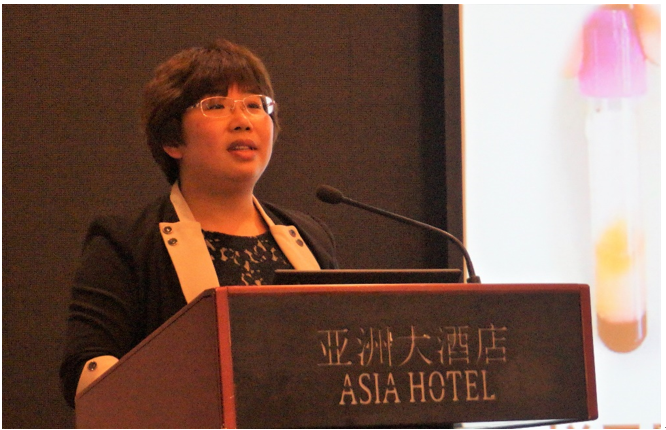
Shimadzu Marketing Department's Shi Yurong product presented a report titled "Shimadzu Inorganic Mass Spectrometry Technology Characteristic Application Plan"
Dr. Conglin from the Institute of Materia Medica of the Medical College gave a report titled "LC-IT-TOF Study on the Biological Transformation Characteristics of Isoquinoline Alkaloids in Intestinal Bacteria of Rats in vitro". In his report, he pointed out that the complexity of natural product skeletons and the abundance of functional groups endow them with multiple metabolic possibilities. Metabolites often have the characteristics of multiple types and low concentrations, and natural medicines generally have the characteristics of low oral bioavailability and difficult to elucidate in vivo pharmacological mechanisms. The metabolic pathways of 8 isoquinoline alkaloids were studied through molecular docking experiments and in vitro gut microbiota metabolism experiments in rats. 1. Using LC/- IT-TOF, a total of 9 metabolites of 4 isoquinoline alkaloids (palmatine, tetrahydropalmatine, dauricine, and tetrazine) were identified, all of which were demethylated reactions; 2. Hydrophobic group interactions are the main binding interactions between ligands and active site residues; 3. The steric hindrance effect generated by the benzonitrogen heterocyclic structure weakens the interaction between the compound and the active site; At the same time, we believe that there may be CYP51 or other metabolic enzymes with similar functions in the gut microbiota, which may be involved in the metabolic transformation of isoquinoline alkaloids in vivo.

Dr. Conglin from the Institute of Materia Medica of the Medical College gave a report titled "LC-IT-TOF Study on the Biological Transformation Characteristics of Isoquinoline Alkaloids in Intestinal Bacteria of Rats in vitro"
Dr. Wang Ying from the Institute of Traditional Chinese Medicine at the China National Institute for Food and Drug Control gave a report titled "Application of GC-MS/MS Gas Chromatography Triple Quadrupole Mass Spectrometry Technology in the Determination of Pesticide Residues in Traditional Chinese Medicine". In the report, she provided a profound analysis of the detection methods for pesticide residues in traditional Chinese medicine, as well as their application cases and existing difficulties in GC-MS/MS.
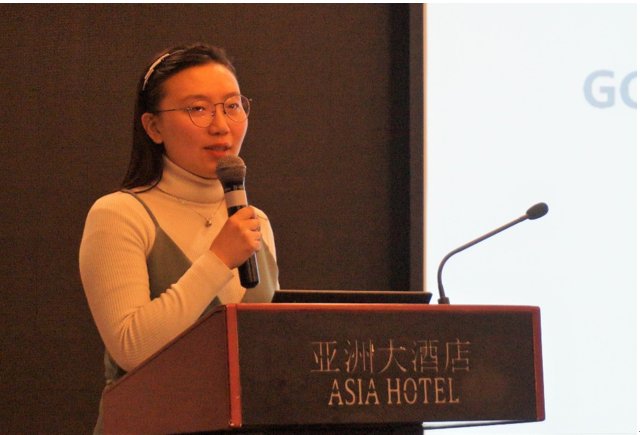
Dr. Wang Ying from the Institute of Traditional Chinese Medicine, China National Institute for Food and Drug Control, gave a report titled "Application of GC-MS/MS Gas Chromatography Triple Quadrupole Mass Spectrometry Technology in the Determination of Pesticide Residues in Chinese Medicinal Materials"
Dr. Guo Qiaozhen from the Beijing Center for Disease Control and Prevention (Key Laboratory of Food Traceability Diagnosis) gave a report titled "QuEChERS Liquid Chromatography Mass Spectrometry for Rapid Determination of Fipronil and Its Metabolites in Eggs, Chicken, Chicken Fat, and Cake". She introduced the "toxic egg" incident in the Netherlands in August 2017 in her report, pointing out that the "toxic egg" was caused by residual insecticide fipronil, and provided a detailed introduction to establishing a rapid method for detecting fipronil.
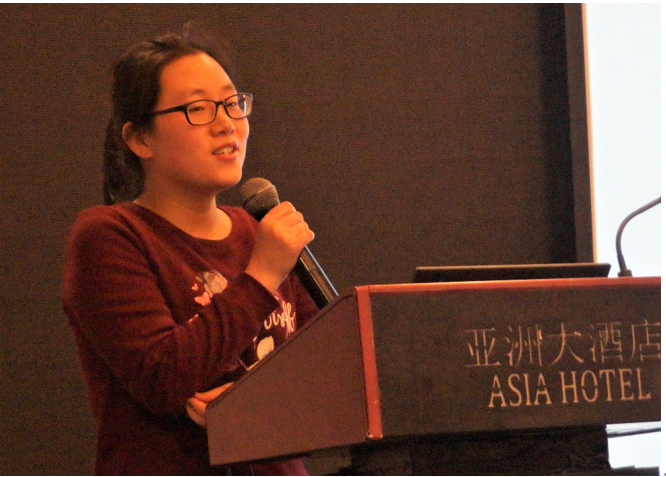
Dr. Guo Qiaozhen from the Beijing Center for Disease Control and Prevention (Key Laboratory of Food Traceability Diagnosis) gave a report titled "QuEChERS Liquid Chromatography Mass Spectrometry for Rapid Determination of Fipronil and Its Metabolites in Eggs, Chicken, Chicken Fat, and Cake"
Afterwards, Han Meiying from Shimadzu Marketing Department gave a report titled "Microscopic Mass Spectrometry Imaging: In Situ Molecular Distribution Visualization Era". In the report, she introduced that iMScope TRIO, an imaging mass spectrometry microscope, is a technology that combines optical and imaging mass spectrometry analysis. It has a world-class 5 μ m high spatial resolution and can perform high-precision multi-level mass spectrometry structure analysis. Imaging mass spectrometry analysis preserves the positional information of sample tissues while directly using a mass spectrometer to measure biological molecules and metabolites, thereby providing two-dimensional distribution maps of various molecules. This method can not only observe the morphology of samples in detail, but also obtain chemical information of specific parts of the sample. Therefore, it has attracted the attention of researchers in basic and clinical medical research, pharmacokinetics, traditional Chinese medicine, agriculture, and hair analysis.

Shimadzu Marketing Department's Han Meiying product presented a report titled "Microscopic Mass Spectrometry Imaging: In Situ Molecular Distribution Visualization Era"
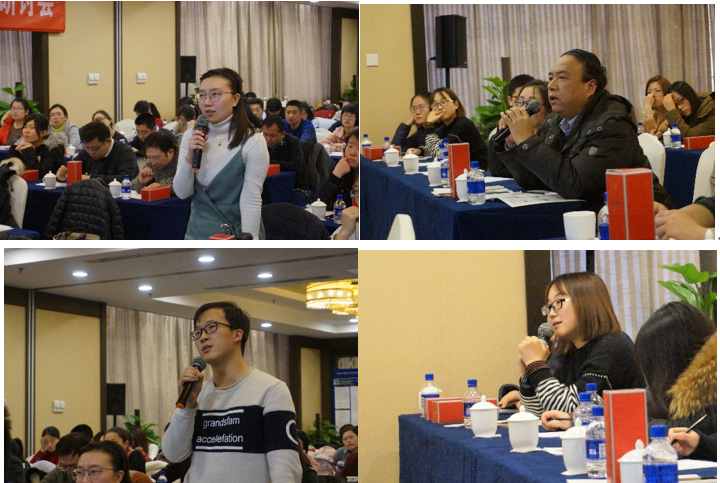
Active on-site interaction
After the seminar, Shimadzu Corporation held a thank-you banquet and held * activities at the banquet. The atmosphere on site was exceptionally lively. Li Bin and Yao Jianguo from the Analytical Instruments Division delivered speeches at the thank-you banquet.
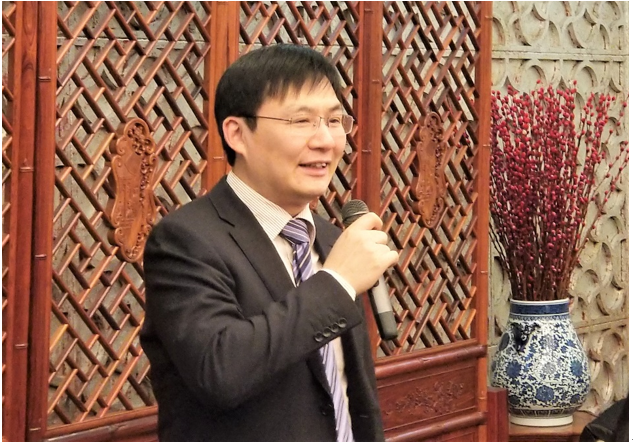
Li Bin from the Analytical Instruments Division delivered a speech at the thank-you banquet
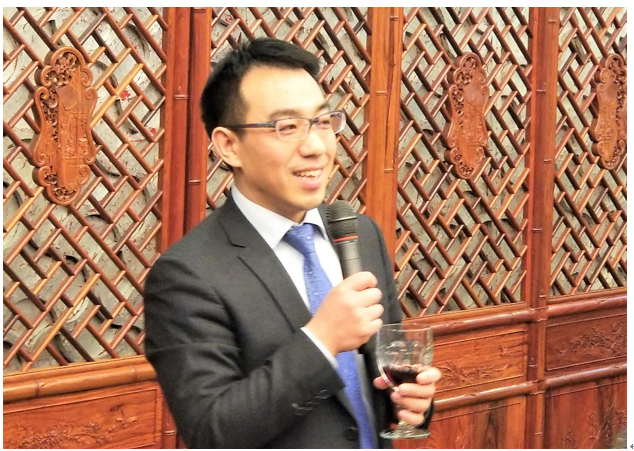
Yao Jianguo from the Analytical Instruments Division delivered a speech at the thank-you banquet
About Shimazu
Shimadzu Enterprise Management (China) Co., Ltd. is a local legal entity established in China with 100% investment from Shimadzu Manufacturing Co., Ltd. in 1999. It has 13 branches throughout China and its business scale continues to expand. It has analysis centers in Beijing, Shanghai, Guangzhou, Shenyang, and Chengdu, as well as a sales agent network covering 30 provinces across the country and over 60 technical service stations. It has established a complete system to provide excellent services to its customers. this companyWith the business philosophy of "for the health of humanity and the earth", we are always committed to providing users with better products and more satisfactory services, and contributing to the progress of Chinese society.